New Publication on the Geopolitics of Higher Education
- Posted by Mara Di Berardo
- On 19 September 2025
- 0 Comments
- Chile Node, education, geopolitics, Mexico Node, RIBER
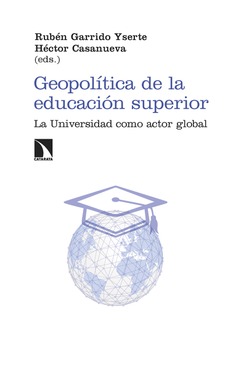
A new book edited by Héctor Casanueva, Chair of the Chile Node of The Millennium Project, and Rubén Garrido-Yserte, both from the University of Alcalá and members of the Ibero-American Network for Foresight (RIBER), explores the critical role of universities in shaping the future of humanity. Geopolítica de la educación superior examines how the international academic community can contribute to addressing global crises and building a sustainable, equitable future.
With over 250 million students and 20 million higher education professors worldwide, universities possess immense geopolitical potential to drive change, particularly where traditional multilateral systems have struggled to respond. The book brings together contributions from leading RIBER members, including Concepción Olavarrieta, Chair of the Mexico Node, Guillermina Benavides, Yiem Ataucusi, Xóchitl Arias, and the editors themselves.
The first chapter, authored by Concepción Olavarrieta, is grounded in the 15 global challenges facing humanity identified by the Millennium Project, highlighting the urgent issues universities must engage with. Subsequent chapters, including Héctor Casanueva’s contribution on multilateral responses, explore how higher education can actively participate in building coordinated, forward-looking solutions.
The publication, produced by the Institute for Economic and Social Analysis (IAES) at the University of Alcalá, Spain, reflects on the university’s historic crossroads in a world defined by ecological transitions, technological revolutions, geopolitical tensions, and rising inequalities. It argues that universities must move beyond being mere centers for education and research to assume an active, global role in addressing 21st-century challenges.
Through a critical, interdisciplinary, and forward-looking approach, the book explores concepts such as academic multilateralism, university diplomacy, knowledge as a global public good, and the ethical responsibility of higher education. Structured into three thematic sections—global diagnosis, geopolitical role, and institutional transformation proposals—this collective work not only analyzes but also calls for action, advocating universities that lead and transform as essential for building fairer, more sustainable, and inclusive futures.